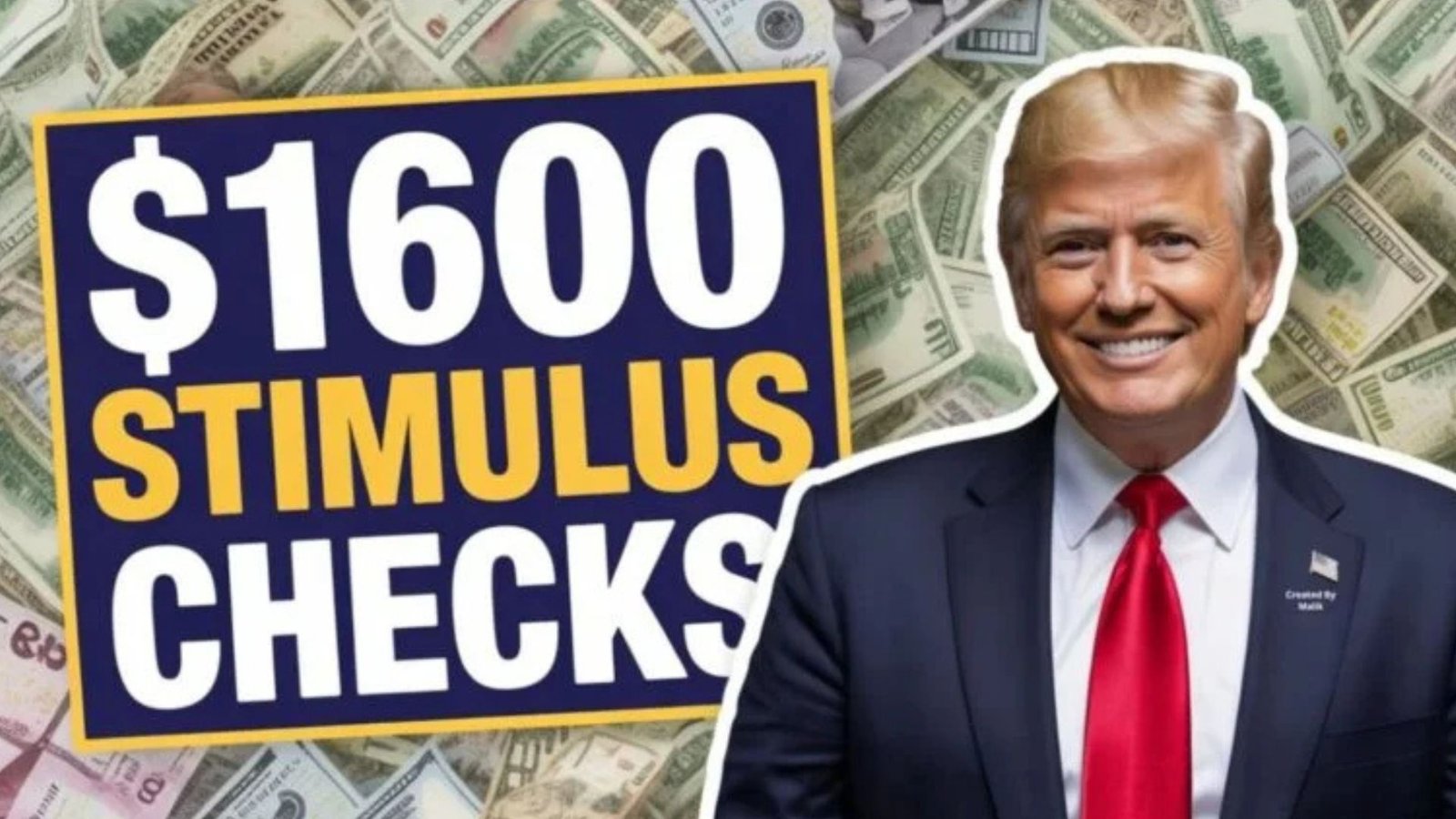
Many people across the U.S. are seeing exciting online posts about a $1600 stimulus check coming in 2025. These claims promise easy money for families, seniors on Social Security, and low-income households, with specific payment dates starting in January. However, as of December 2025, there is no new federal $1600 stimulus program. No law has been passed by Congress, and the IRS has not announced any such payments.
This article breaks down the rumors in simple terms. We explain where they come from, what real money you might still claim, payment myths, and how to stay safe from scams. Always use official sites like IRS.gov for true information.
Where Do the $1600 Stimulus Check Rumors Come From?
The $1600 figure often mixes up old COVID-19 relief with new hopes. The last big federal stimulus was in 2021, worth up to $1400 per person (called the third Economic Impact Payment). Some people who missed claiming it can still get that money as a Recovery Rebate Credit by filing a 2021 tax return—but the deadline was April 15, 2025.
Viral articles invent details like:
- Automatic payments for SSI, SSDI, or VA beneficiaries.
- Batches starting January 17, 2025.
- Easy claims through special tools or links.
These are not based on any current IRS plan. Some sites add fake “official schedules” to seem real, but they lead to scams or ads.
Why There Is No New $1600 Stimulus Check in 2025
Any new stimulus needs Congress to approve funding and rules. Right now:
- No bill for a $1600 payment has passed.
- The IRS only sends money from existing laws, like wrapping up old 2021 credits (automatic payments went out to some in late 2024/early 2025).
- Proposals like tariff rebates are just ideas—not law.
Rumors give false hope when costs for groceries, rent, and medicine are high. But fake claims can trick people into sharing personal info.
Real Financial Help You Might Get in 2025-2026
No new big check, but here are actual options:
- Unclaimed 2021 Money: The IRS sent automatic payments up to $1400 to about 1 million people who missed it. If you think you qualify but didn’t get it, the filing deadline has passed.
- Tax Refunds: File your 2024 taxes early in 2025 for refunds, plus credits like Earned Income Tax Credit (EITC) or Child Tax Credit.
- State Rebates: Some states send their own relief checks—check your state’s revenue department site.
- Benefit Increases: Social Security gets a small annual raise for inflation.
Real vs. Rumored Payments Comparison
| Payment Type | Real or Rumored? | Details |
|---|---|---|
| New Federal $1600 Check | Rumored | No approval; invented dates like January 17, 2025 |
| Automatic for Social Security | Rumored | No extra stimulus tied to benefits |
| 2021 Recovery Rebate (up to $1400) | Real (but deadline passed) | Automatic for some in early 2025; required 2021 tax filing by April 2025 |
| State Relief Checks | Real (in some states) | Varies by state; not national |
| Tax Refunds/Credits | Real | From filing 2024 taxes; often $1000+ for families |
Important Scam Warnings: How to Protect Yourself
Scammers use these rumors to steal info. Watch for:
- Texts, emails, or posts saying “claim your $1600 now” with links.
- Fake sites asking for Social Security number, bank details, or “fees.”
- Urgent messages like “don’t miss out” or WhatsApp channels.
The real IRS:
- Contacts only by mail.
- Never asks for info by phone, text, or email for payments.
- Uses only IRS.gov tools.
Report scams to IRS.gov or FTC.gov.
Safe Ways to Check for Money Owed
Easy steps:
- Go to IRS.gov and make a free account to see your records.
- Use “Where’s My Refund?” for any refunds.
- File taxes online for quick processing.
- Update info only on official sites.
Conclusion
The $1600 stimulus check for 2025 is just a rumor spread by misleading websites—no real payments, no eligibility rules, and no dates to watch. It’s disappointing when money is tight, but chasing false claims can lead to scams or wasted time. Focus on real help like tax filing, state programs, or benefit updates.
Stay safe by checking official sources directly. Accurate info from IRS.gov or SSA.gov protects your finances and gives peace of mind. If something sounds too good (and urgent) to be true, it probably is.